



Hi, I’m Sakume.
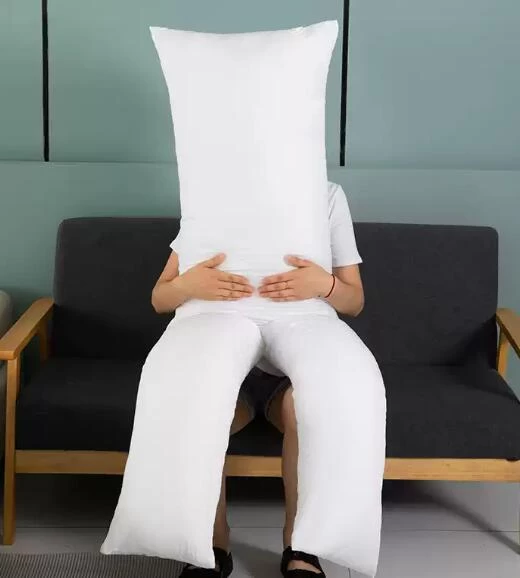
If you’re like me – sleeping with your anime body pillow (dakimakura) every night, watching anime and gaming in your room in London, Manchester or Glasgow with your waifu in your arms – you’ve probably wondered:
Where did these “waifu pillows” actually come from, and how did they become such a big part of otaku culture?
The history of dakimakura is tightly linked to the explosive growth of Japanese anime and game culture in the 1990s. The way it grew from one fan’s spark of inspiration into a global cultural symbol is a surprisingly great story.
These days, you don’t need to fly to Akihabara to get one – in the UK, you can simply order online from Sakume UK (dakimakuras.co.uk). We ship across the UK with EVRi, Royal Mail and China Post, usually delivering in 4–12 days (around 5 days for most orders). Every parcel comes in discreet packaging, with no product images or suggestive hints on the outside, and you can pay easily via PayPal, Credit Card, Google Pay or Apple Pay.
But before your pillow ends up on your bed, it’s worth knowing the story behind it.
Dakimakura: Key Moments on the Timeline
Here’s a simple timeline of how dakimakura evolved from nothing into a worldwide trend:
Key milestones
1995 ─┐
├─ Dating sim “Dōkyūsei 2” features an early 90cm “hug pillow” concept
1996 ─┤
├─ Bedding company Lofty creates a modern long body pillow in Japan
1997 ─┤
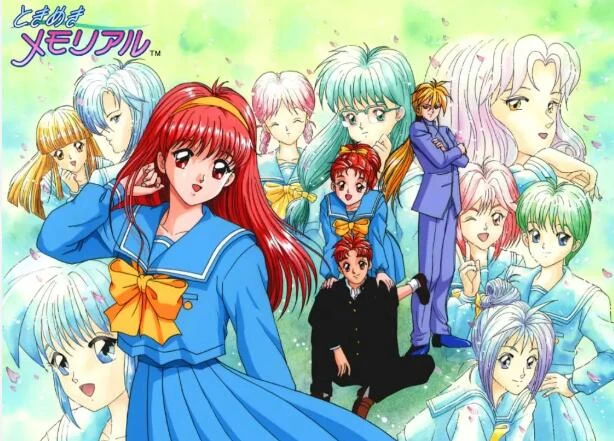
├─ ★ A fan cuts up an official “Tokimeki Memorial” bedsheet and turns it into a pillow cover
├─ ★ At a fan event, the first life‑size anime dakimakura cover (Multi from “To Heart”) is sold
1999 ─┤
├─ Cospa and other brands start licensed mass production
2015 ─┤
├─ The first talking smart body pillow “Ita‑Supo” appears
2022 ─┤
├─ Sakume releases double‑layer designs and split‑leg cores among other advanced types
├─ Function‑focused designs keep emerging
└─ …and the dakimakura is still evolving fast today
🚀 Origins: From “Dutch Wife” to Modern Body Pillow
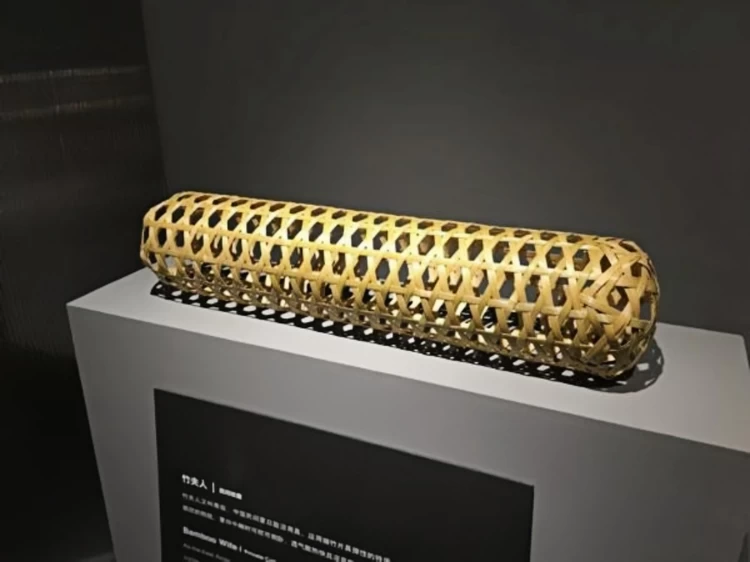
Early “body pillow” forms
Before anime dakimakura existed, different cultures already had their own “hugging pillows”:
- In China: the “bamboo wife” (竹夫人) – a bamboo frame used as a cooling companion in summer,
- In Indonesia and other tropical regions: a woven long pillow often nicknamed a “Dutch wife” in English.
They all answer the same basic need: support and comfort while sleeping.
Japanese word, simple meaning
The Japanese word „抱き枕 (dakimakura)” literally explains itself:
- „daki” (抱き) = to hug, to hold,
- „makura” (枕) = pillow.
Put together: “a pillow to hug”.
Think of it as a blend of “body pillow” and “hug pillow”, with both physical and emotional roles from the very beginning.
The modern physical prototype
In 1996, Japanese bedding company Lofty created a modern long body pillow, which many see as the first true Japanese “body pillow” in the current sense.
That laid the physical foundation for the anime dakimakura we know today.
✨ 1997: When Fan Creativity Ignited a Trend
1997 is basically the “year zero” for dakimakura as anime merchandise.
In that year, a couple of fan‑driven moments kicked off an entirely new category of goods.
DIY from a “Tokimeki Memorial” bed sheet
In January 1997, Konami released an official “good night” bedsheet printed with the heroine of the dating game “Tokimeki Memorial”.
One very creative fan did not put it flat on the bed. Instead, they:
- cut it,
- sewed it,
- stuffed it,
and turned it into a hug pillow cover.
This DIY idea spread quickly among fans and inspired lots of imitators.
A historic moment at a fan event
Later that same year, at the fan event Leaf Fan, a new product appeared:
- a life‑size, double‑sided pillow cover,
- featuring Multi from the game “To Heart”,
- sold to fans as a dedicated hug pillow.
Many people recognise this as the first true anime dakimakura cover in history, and it opened the door to proper commercial production.
Growth: From Niche Otaku Item to Global Symbol
Once the dakimakura was born, the wave never really stopped.
Inside Japan
By the late 90s and early 2000s:
- brands such as Cospa began obtaining official licences for many series,
- mass production took off,
- dakimakura covers for series like “Love Hina” and “Lucky Star” became standard merchandise.
They moved from obscure back‑alley shops to mainstream anime stores and conventions.
From Akihabara to UK bedrooms
With the rise of the internet, fansubs and online shops in the 2000s:
- UK anime fans discovered “waifu pillows” via forums, imageboards and memes,
- TV segments and online articles often showed dakimakura as something “weird from Japan”,
- but at the same time, more and more British fans quietly ordered them to their own homes.
Today it’s not unusual to see a dakimakura in a UK student flat, gaming room or cosy bedroom in a shared house.
📐 Design Philosophy: From Flat Image to 3D Emotional Object
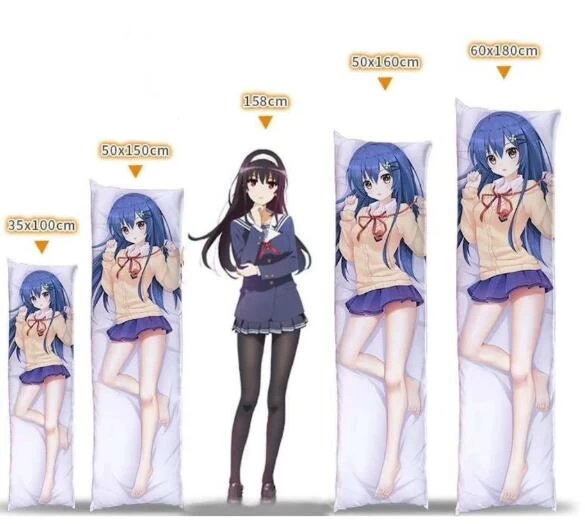
Designing a dakimakura is far from just “printing a picture on fabric” – it’s a kind of emotional engineering.
Size decisions
The early standard was 160 × 50 cm, very close to human proportions.
To make international shipping easier and cheaper, 150 × 50 cm became the dominant global size.
Brands like Sakume now offer several options:
- smaller ones (around 100 × 34 cm),
- larger ones (up to 180 × 60 cm),
so you can match your pillow to your height, bed size and hugging style.
Double‑sided art – the soul of the dakimakura
Most dakimakura covers are double‑sided:
- Front – the character faces you with a slightly shy or intimate pose;
- Back – often a sleeping pose, a back view, or a more relaxed/teasing version.
This makes the pillow feel interactive – you’re not just looking at a poster on the wall; you’re sharing space with the character.
Poses and interaction
The way a character lies on the pillow is carefully thought out:
- where the arms fall,
- how the legs bend,
- whether the character looks straight at you or away.
All of this is tuned to make “hugging while lying down” feel natural and immersive.
Fabric technology – otaku‑driven evolution
Because dakimakura are pressed against bare skin, fabric matters a lot:
- Peach Skin – a polyester fabric with a light “peach” fuzz, balancing cost and durability;
- 2WAY / NEW 2WAY – a polyester + spandex blend, extremely soft, smooth and stretchy, often praised as “skin‑like” by fans.
Later, more advanced ideas emerged:
- ergonomic cores (for example, split‑leg shapes),
- covers with removable clothing parts,
- and even modules for sound or vibration.
🌍 Global Journey: From Subculture Corner to Pop Culture Icon
The global spread of dakimakura mirrors the spread of anime and Japanese games.
From otaku in Tokyo to memes worldwide
In the early 2000s:
- online anime communities, fansubs and fan art exploded,
- memes like “waifu pillow” popped up,
- mainstream media sometimes treated dakimakura as bizarre curiosities.
But all of this just made more people aware of their existence.
A diversified market
Today:
- official limited editions,
- affordable entry‑level covers,
- fully custom commissions with original characters,
all coexist on the market. Different budgets, tastes and levels of “spiciness” are catered for.
Some designs are overtly anime; others are neutral, aimed at emotional comfort rather than fandom.
🧸 A Fun Debate: When Did Dakimakura Really Begin?
Online, you’ll find two common stories:
- “Very old” – some people point back to the Heian period (794–1185) in Japan, when certain hugging pillows existed, and claim dakimakura have a long history.
- “Actually very young” – others insist the modern anime dakimakura really started in 1997, with the “Tokimeki Memorial” DIY and the Multi cover from “To Heart”.
In reality, both are partly right:
- the first talks about the physical form of body pillows,
- the second describes the cultural phenomenon of dakimakura as anime merchandise.
So you could say:
The human urge to hug a pillow is ancient, but the anime dakimakura we talk about today is very much a child of the 90s.
🤖 Looking Ahead: Into a “Post‑Smart” Age
Dakimakura are also stepping into the tech era.
In 2015, a Japanese researcher created the smart pillow Ita‑Supo:
- it reacts to touch with sound and vibration,
- allowing simple interactions.
This hints at a future where:
- sensors,
- soft robotics,
- and maybe even simple AI
could merge with the traditional anime body pillow.
Dakimakura could evolve from passive hugging objects into basic emotional interfaces.
✨ A Brilliant Design Bridging Fantasy and Real Touch
Meeting deeper emotional needs
A dakimakura does more than print a character on cloth:
- it gives a favourite character a physical, soft presence,
- offers quiet companionship – especially for those living alone,
- provides a gentle emotional outlet: something to hold, lean on, and literally sleep with.
Bridging reality and fiction
By turning a 2D image into a 3D, huggable object, the dakimakura:
- anchors part of a fictional world in your real room,
- becomes a bridge between late‑night anime marathons and your everyday life.
Precise “emotional engineering”
Through:
- life‑like dimensions,
- carefully chosen poses and expressions,
- and skin‑like fabrics such as 2WAY,
a dakimakura creates a very personal, immersive emotional space.
Closing Thoughts – with Sakume into UK Rooms and Flats
For many fans in the UK, an anime body pillow isn’t just décor or a quirky import from Japan. It’s:
- a form of emotional support,
- a small, soft anchor for bad days,
- a tangible connection to characters and stories that matter to you.
At Sakume UK (dakimakuras.co.uk), we try to keep that story going:
- with a wide range of anime and game characters,
- with Peach Skin and 2WAY / NEW 2WAY materials,
- with delivery by EVRi, Royal Mail and China Post in about 4–12 days (5 for most orders),
- with discreet packaging and easy payments via PayPal, Credit Card, Google Pay and Apple Pay.
Some people will always see dakimakura as “that weird Japanese thing”.
But for us – and maybe for you – it’s a soft, personal symbol of the part of life we love the most.