




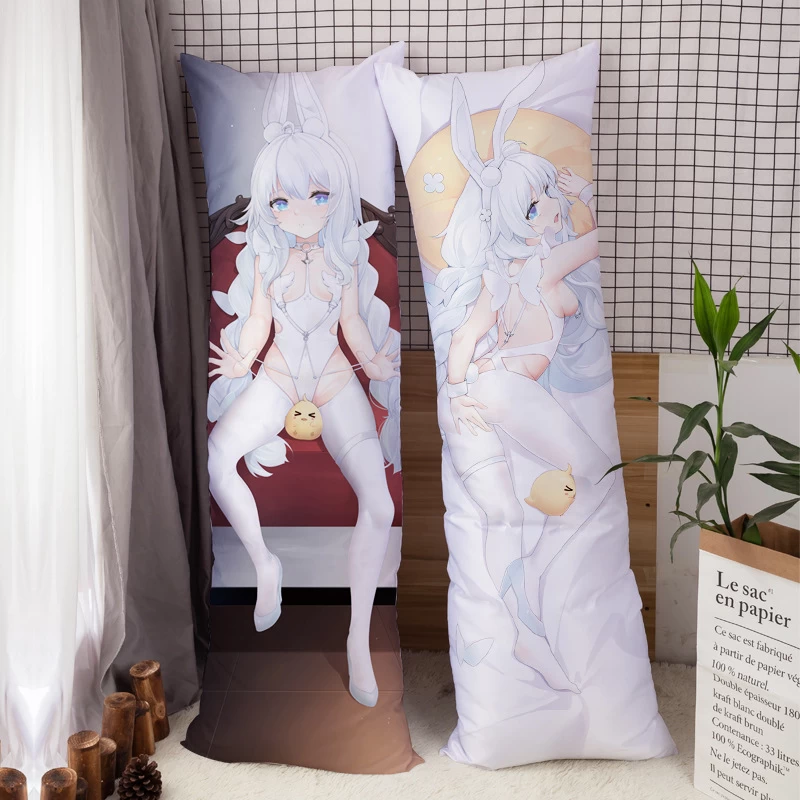
Hi, I’m Sakume – a girl who honestly can’t sleep without her anime body pillow.
Today I want to chat about something light but actually very important: how to dry your anime pillow covers properly.
If you love dakimakuras, you probably want your covers to last as long as possible: stay soft, comfy to hug, and keep their colours bright. Many of us spend a lot of time choosing the right artwork and fabric, but when it comes to drying… we just “wing it”. That’s exactly when covers start to stretch, fade and feel rough instead of cozy.
If you order your dakimakura from Sakume UK (dakimakuras.co.uk), your parcel usually arrives in 4–12 days (for the majority of orders it’s around 5 days). We ship with EVRi, Royal Mail and China Post, and every order comes in discreet packaging – there are no product images or suggestive details on the outside, so nobody can tell what’s inside. You can pay easily with PayPal, Credit Card, Google Pay or Apple Pay.
To make washing and drying even easier, I’ve put together a Pillow Washing Kit at Sakume. It includes a laundry bag, a spiral hanger and special washing capsules. Together they help protect your anime pillow covers during washing and drying, so they stay clean and fresh for a long time.
1. Why drying matters so much
Proper drying gives you several clear benefits:
- Hygiene – it removes excess moisture and helps prevent bacteria growth and bad odours.
- Durability – you avoid damage caused by high heat, harsh sunlight or stretching the fabric too much.
- Long‑lasting colours – incorrect drying (for example, leaving the cover in strong direct sun for hours) makes prints fade much faster.
- Better feel – a well‑dried cover stays soft and fluffy, and feels much nicer to hug.
2. Before drying: washing the right way
2.1 Gently remove the cover
First, carefully unzip the cover and slide it off the inner pillow. Try not to pull hard on the zip or on printed areas – your cover will thank you later.
2.2 Turn the cover inside out
99% of otaku just throw the cover straight into the washing machine. I did that too in the past.
But that’s not a good idea. I always turn my cover inside out before washing. It protects the print from rubbing and scratching.
2.3 Use a laundry bag to protect the cover
I recommend putting your cover into a Sakume laundry bag before machine‑washing or hand‑washing:
- it reduces friction with other clothes,
- it lowers the risk of the zip catching other fabrics,
- it keeps the printed surface safer from scratches and snags.
This laundry bag is part of our Pillow Washing Kit, so you don’t have to look for one separately.
2.4 Choose the right washing method and detergent
- Use cold or lukewarm water.
- Pick a mild detergent, and avoid bleach or harsh chemicals.
- You can use our special washing capsules from the kit – the formula is gentler on printed fabrics but still cleans well.
2.5 Remove excess water
After washing, gently press the water out of the cover:
- use your hands to press,
- avoid twisting or wringing hard – that can stretch the cover and put too much stress on the zip.
3. Where and how to dry your cover
3.1 Airflow is more important than blazing sun
Many people think you have to put the cover straight into the strongest sunlight. In reality, what matters most is:
- good air circulation + soft light.
Good places include:
- a well‑ventilated indoor drying area,
- a balcony with some shade,
- by a window with bright but indirect light.
3.2 Avoid long, direct sunlight
UV light can help with disinfection, but:
- too much strong direct sun makes the print fade faster,
- the fabric can become overly dry and more fragile.
The safest way:
- dry in gentle morning or late‑afternoon sun,
- or in a bright but shaded spot where the cover can just dry naturally.
3.3 Spiral hanger – saving space and improving airflow
In our Pillow Washing Kit, you’ll find a spiral hanger. I love using it for long dakimakura covers because:
- it lets you spread the cover evenly along the spiral,
- it gives you more drying surface in a small space,
- air can move around the fabric from all directions, so it dries faster and more evenly.
After washing, your cover always contains some water. If you hang it from just one point, it can easily stretch. That’s why I use special drying hangers from Sakume – if you take a bit of time to place the cover evenly and balance the weight, Sakume covers won’t deform while drying.
3.4 For large covers: half hanging, half supported
For very large sizes, like 180×60 cm, it’s best to dry with multiple support points:
- lay part of the cover over a drying rack,
- hang the rest on the spiral hanger,
- you can also add a few wide clips to support the fabric more evenly.
This helps prevent the bottom part from stretching out and keeps the weight distributed.
4. Little tricks during drying
- Flip the cover regularly – change sides from time to time so both can dry properly.
- Adjust the shape as you go – when you see folds, curled edges or bunched‑up corners, gently smooth and stretch them into place.
- Don’t stack covers on top of each other – leave some space between them so air can move freely.
- Don’t “bake” it on a radiator – placing a wet cover directly on a very hot heater can dry out the fibres too much and shorten the life of the print.
5. When it’s dry – how to store it
- Always wait until the cover is completely dry before putting it back on the pillow or into your wardrobe.
- You can store your covers by series, character or season in separate bags or boxes.
- Try not to put very heavy items on top – deep, long‑term creases are hard to remove.
To sum it up:
- choose your favourite cover and inner pillow,
- use our Pillow Washing Kit (laundry bag + spiral hanger + special washing capsules) to make washing and drying easier,
- and with just a bit of patience and the right tools, your dakimakura will stay beautiful and comfy for a long time.
On Sakume UK (dakimakuras.co.uk) you can get everything you need – covers, inner pillows and accessories for washing and drying. We deliver in about 4–12 days (around 5 days for most orders) via EVRi, Royal Mail and China Post, in discreet packaging, and you can pay with PayPal, Credit Card, Google Pay or Apple Pay.
Take care of your covers a little, and they’ll keep your favourite characters close to you for a long time.
That’s all from me, Sakume, for today – I’ll keep sharing more dakimakura tips in future posts.